
What to Expect at Your First Hearing Appointment
Not knowing what to expect is one of the most common reasons people put off getting their hearing checked. Here's a step-by-step walkthrough of a first appointment at Wichita Falls Hearing — what to bring, what we do, and how long it takes.
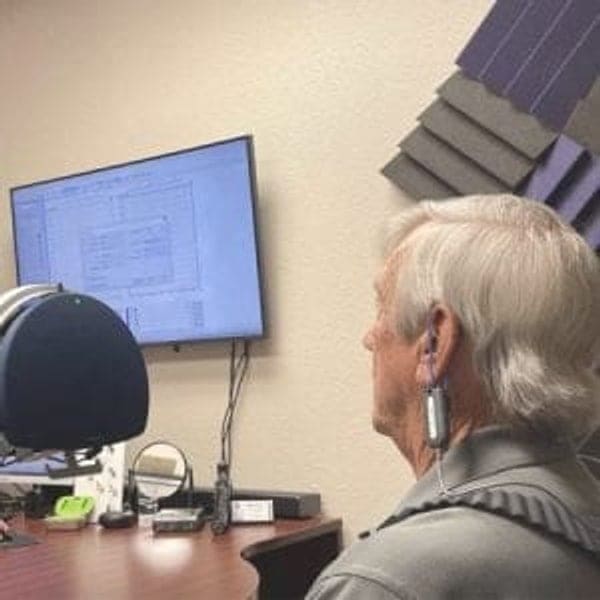
One of the most common reasons people delay getting help with their hearing is simply not knowing what to expect at a hearing appointment. The whole thing can feel medical and intimidating before you've ever set foot in the clinic — but the reality is much less clinical than most people expect, and walking in with a clear picture of what's actually going to happen makes the whole experience easier.
Here's a step-by-step guide to your first hearing evaluation at Wichita Falls Hearing: what to bring, what we'll do, how long it takes, and what you'll walk out with.
Before the Appointment
What to Bring
- Photo ID and insurance card. We verify your benefits before the appointment, but bring the card just in case there are updates.
- A list of medications you're currently taking. Some prescription and over-the-counter medications affect hearing temporarily; we want to know what's in the picture.
- A previous audiogram, if you have one. If you've been tested elsewhere (a primary care office, the VA, another clinic), bringing those records helps us see how your hearing has changed over time.
- A list of situations where hearing is hardest for you. Restaurants? Church? Family gatherings? On the phone with one specific grandchild whose voice is harder than others? The more specific you are, the better we can tune the recommendations.
- A friend or family member, if you'd like one. Bringing a spouse or adult child is welcome and often helpful — they often notice patterns the patient doesn't and they help with remembering what was discussed.
How to Get Here
Our primary clinic is at 2327 Kell East Blvd, Suite 200, Wichita Falls, TX 76308 — directly off the Kell Freeway on the east side of town. There's free patient parking right at the front of the building, no parking garage, no walk through a hospital lobby. If you're coming from Vernon, our Tuesday clinic at 1918 Pease Street is closer.
Step 1: The Conversation (10–15 minutes)
Your first appointment opens with a casual conversation — not a clipboard interview. We want to understand what brought you in. Common starting points:
- "Family keeps telling me I'm not hearing well."
- "I can't follow conversations in restaurants anymore."
- "My TV is louder than my wife wants it."
- "My hearing aids from another provider stopped working."
We'll ask about your medical history (specifically anything related to ear infections, head injuries, exposure to loud noise on the job, military service, family history of hearing loss), what medications you're on, and what listening situations matter most to you. There are no wrong answers and nothing about this part is graded.
Step 2: Visual Inspection (5 minutes)
Wondering how this applies to your hearing?
A free 30-minute evaluation at our Wichita Falls clinic gives you clear answers — no pressure, no obligation. Most patients leave with a plan they can act on the same day.
We look in your ears with an otoscope — a small lighted instrument with a magnifier. We're checking for:
- Earwax buildup — surprisingly often the cause of "sudden hearing loss." If we find it, we'll discuss safe removal options (we can usually clean it during the same visit at no extra charge).
- Eardrum health — checking for any visible damage, infection, or fluid behind the eardrum.
- Ear canal anatomy — relevant for what styles of hearing aids might fit you well later.
This step is completely painless and takes about 5 minutes for both ears.
Step 3: The Hearing Test (20–30 minutes)
You'll sit in a soundproof booth or quiet testing room with headphones. We'll run a few different tests:
- Pure-tone audiometry. You'll hear beeps at different pitches and volumes in each ear. Press the button (or raise your hand) when you hear something — even if it's faint. We map out the quietest level you can hear at each frequency. This becomes your audiogram.
- Speech recognition testing. You'll repeat back a series of words played at normal conversational volume. This measures how well your brain processes speech sounds, which is a different ability from raw sensitivity to tones.
- Speech-in-noise testing (if relevant to your concerns). We add background noise and have you try to follow speech — this is the test that often reveals exactly why restaurants are so hard, even when standard hearing tests look "okay."
None of this is painful. None of this requires preparation. You can't "fail" — the test just tells us where your hearing actually is.
Step 4: Reviewing Your Results Together (15–20 minutes)
This is where it gets interesting. We pull your audiogram up on a screen so you can see exactly what your hearing looks like — which frequencies are normal, which are reduced, and by how much.
Most patients are surprised. They expected either "your hearing is fine" or "you need hearing aids" — and the reality is usually more nuanced. We walk through:
- What your specific pattern of hearing loss means for everyday listening
- Whether the pattern fits the symptoms you described (it usually does)
- Whether hearing aids would help, and if so, what level of technology actually fits your situation
- Whether there's anything that warrants a referral to an ENT physician (relatively rare, but we send out when needed)
- Your insurance benefits (already verified) and what the cost would look like for different options
Step 5: Next Steps (Your Decision, No Pressure)
Here's what you will NOT experience: a hard sell. We are not commissioned salespeople. The whole point of a free comprehensive hearing evaluation is to give you honest information.
Depending on your results, the next step might be:
- Nothing right now. If your hearing is in normal range and you have no concerning symptoms, we'll just recommend coming back in 1–2 years to monitor. Free.
- Earwax cleanup only. Sometimes that's the whole answer — we clean, you go home hearing better.
- A trial with hearing aids. If hearing aids look like a fit, we'll explain the technology tiers and trial options. You'd come back for a fitting appointment if you decide to proceed — typically 1–2 weeks later.
- A referral. If we see something that needs a physician's evaluation (sudden one-ear loss, asymmetric loss, signs of infection or structural issue), we'll refer to an appropriate ENT and you take the audiogram with you.
How Long Does the Whole Appointment Take?
Plan on 60 to 75 minutes total for a first visit. Subsequent appointments (fittings, follow-ups, cleanings) are typically shorter — 30 to 45 minutes.
What Does It Cost?
Your first comprehensive hearing evaluation is free. No insurance billing for the evaluation itself, no co-pay, no obligation. We offer it free because most adults wait 7+ years between noticing hearing changes and seeking help, and removing the cost barrier helps people get answers sooner.
If you decide to move forward with hearing aids later, we verify your specific insurance benefits and walk through the cost transparently. See our hearing aid cost page for the full breakdown of pricing, insurance, and financing.
The Bottom Line
A first hearing appointment at Wichita Falls Hearing is a conversation, an ear check, a test, and a results review — in that order, in plain language, with no surprises and no pressure. Most patients walk out saying "that was way easier than I expected."
Whether you've been wondering for a while or your family has been gently (or not so gently) nudging, the first step is the smallest one. Schedule your free evaluation or call 940-264-4327 — we'll handle the rest.
Getting tested
What an evaluation involves, when to have one, and how to read the result.
Hearing tests in Wichita FallsTop 5 Signs You Might Need Hearing Aids
Hearing loss creeps up gradually — most people wait 7+ years between noticing changes and getting help. Here are the five signs you shouldn't ignore.
Why Annual Hearing Tests Matter (and How Often You Really Need One)
You see your eye doctor yearly. You see your dentist twice a year. So why do most adults wait a decade or more between hearing tests? Here's what an annual hearing check actually catches — and why it matters more as you age.
Online Hearing Tests: What They Catch, What They Miss
Online hearing tests are convenient screening tools — but they aren't a substitute for a diagnostic evaluation. Here's what they actually measure, what they miss, and when an in-person test is warranted.
Ready to take the next step?
Your first hearing evaluation at Wichita Falls Hearing is free and takes about 30 minutes. We'll give you straight answers about your hearing and walk through your options together — no obligation to buy anything.
Or read more from our hearing care blog