
High-Fidelity Earplugs: A Buyer's Guide for Musicians, Workers & Everyday Use
Standard foam earplugs muffle everything. High-fidelity earplugs lower the volume while preserving sound quality, so music still sounds like music and you can still hold a conversation. Here's who needs them and how to choose.
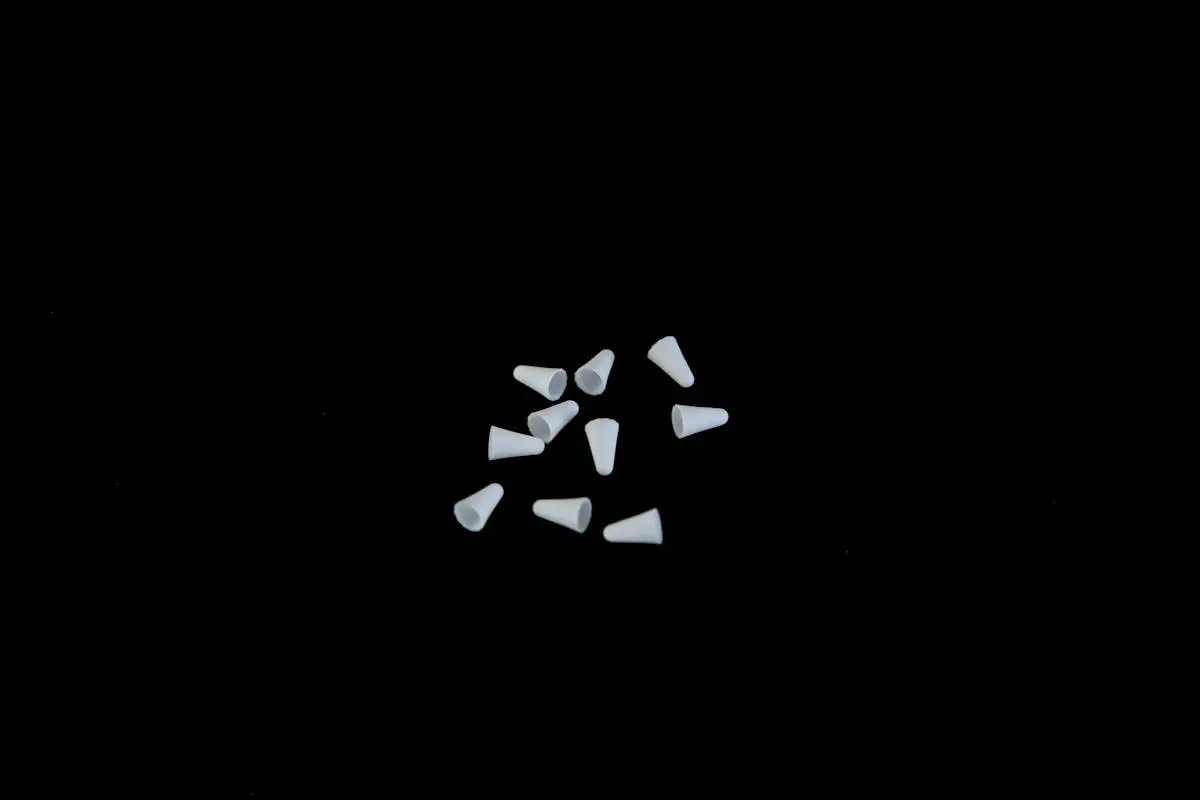
Standard foam earplugs do one thing: they make everything quieter, uniformly across the frequency spectrum. That works fine for power tools and lawn mowers, but it's terrible for situations where you still need to hear something well — music, conversation, instructions in a workplace. High-fidelity earplugs solve that problem. They lower the overall volume while preserving the natural balance of high, mid, and low frequencies, so music still sounds like music and you can still understand what people are saying.
Here's the practical guide to who needs them, how they work, the difference between universal-fit and custom-molded, and what we fit at Wichita Falls Hearing.
How High-Fidelity Earplugs Are Different
The trick is in the filter. Standard foam earplugs block sound by physically blocking the ear canal — the foam mass attenuates more high frequencies than low frequencies, which is why music sounds muffled through them. Voices sound boomy and indistinct.
High-fidelity earplugs use a precision-engineered acoustic filter inside the plug. The filter is designed to attenuate sound evenly across the frequency spectrum — typically 15 to 25 decibels of reduction across the board, depending on the filter strength you choose. The result: everything is quieter by the same amount, so music, speech, and ambient sound all sound natural — just at a safer volume.
You can have a normal conversation while wearing them. You can hear a guitar's high harmonics and bass tones in correct balance. You can hear a coworker's "watch out!" warning over machinery noise. They protect your hearing without isolating you from what you need to hear.
Who Actually Benefits
Musicians
This is the category that drove the entire high-fidelity earplug industry. Standard foam plugs are useless for performing musicians — you can't hear pitch, you can't hear your bandmates, you can't hear the mix. Custom musician earplugs with interchangeable filters (typically 9, 15, or 25 dB) let you choose the right level of attenuation for the gig:
- 9 dB filters — small acoustic ensembles, jazz, acoustic gigs, choir, practice rooms
- 15 dB filters — loud rock band rehearsals, mid-size venues, drummers
- 25 dB filters — arena-volume shows, prolonged exposure to high SPL sources
If you're a serious musician — gigging in Wichita Falls clubs, playing in the symphony, teaching music, or just rehearsing 4+ hours a week — custom musician plugs are some of the best money you can spend on your career. Hearing loss in musicians is real, well-documented, and largely preventable with proper protection.
Industrial and Construction Workers
OSHA mandates hearing protection above 85 dBA time-weighted average exposure, but the standard cheap foam plugs come with a real cost: workers can't hear safety announcements, verbal instructions, or warning signals. The compliance problem is huge — plugs end up in pockets instead of ears.
High-fidelity industrial earplugs solve this. They deliver the noise reduction OSHA requires while preserving speech intelligibility, so workers actually wear them. We fit custom industrial protection for shop foremen, machine operators, oilfield workers, and construction crews across North Texas.
Concert and Live Music Attendees
You don't have to be a musician to get hurt at a loud show. A typical concert hits 100–110 dB; arena shows can crest 115+. NIOSH limits suggest no more than 15 minutes of unprotected exposure at 100 dB, and that drops to 30 seconds at 110 dB. For a 2-hour show, that math doesn't work. Universal-fit musician earplugs with 15 dB filters let you enjoy the music at a safe level and still hear your friends in conversation.
Motorcyclists, Pilots, Hunters
Wind noise at highway speeds on a motorcycle exceeds 100 dB at the rider's ear — most riders are accumulating significant hearing damage on long rides. High-fidelity riding plugs reduce that wind noise while preserving the engine sound (useful for diagnosing problems) and traffic awareness.
Pilots, hunters using firearms (especially in tight enclosures like duck blinds), and recreational shooters at the range are all candidates for high-fidelity protection — typically with electronic options that boost speech while attenuating impulse noise.
Light Sleepers and Sound-Sensitive Individuals
Less obvious but genuine: people who live near traffic, have a partner who snores, or are sensitive to ambient sound at night benefit from high-fidelity sleeping plugs. Standard foam plugs are uncomfortable for side sleepers; custom soft-silicone plugs are not.
Universal Fit vs. Custom Molded
Wondering how this applies to your hearing?
A free 30-minute evaluation at our Wichita Falls clinic gives you clear answers — no pressure, no obligation. Most patients leave with a plan they can act on the same day.
Two paths. Each has tradeoffs.
Universal-fit high-fidelity earplugs are pre-formed plugs with interchangeable filters. They come in two or three sizes (small/medium/large) to fit most ear canals reasonably well. Pros: ready to use immediately, no appointment needed, $30–$80 per pair. Cons: not as comfortable for long sessions, more likely to work loose, the seal varies by ear anatomy.
Brands we recommend in the universal-fit category: Etymotic ER-20XS, EarPeace, Loop Experience, Vibes High-Fidelity. Decent options for occasional use.
Custom-molded earplugs are made from a silicone impression of your specific ear canal. They fit perfectly because they're shaped to your anatomy — comfortable for 8+ hour wear, never work loose, perfect acoustic seal every time. Pros: dramatic comfort difference, more consistent acoustic performance, longer life (3–5 years versus 1–2 for universal). Cons: require an appointment for the ear impressions, $150–$300 per pair depending on filter system.
If you'll wear them more than 1–2 hours at a stretch, or more than once a week, custom is worth the price difference. The comfort and seal consistency are not close.
The Custom Fitting Process
If you're getting custom-molded earplugs at Wichita Falls Hearing, the process is straightforward and takes one appointment of about 30 minutes:
- Ear examination. We look in your ear canals to confirm they're healthy and clear of wax or obstruction (we'll clean if needed at no extra charge).
- Impression taking. A soft silicone material is injected gently into your ear canal and outer ear. It sets in about 5 minutes and is then removed — the impression looks like a soft 3D model of your ear's interior.
- Lab fabrication. The impression is sent to the manufacturer's lab, where your custom plug is built around the filter you've chosen. Turnaround is typically 2–3 weeks.
- Fitting and verification. When the plugs come back, you return to the clinic for a final fitting. We verify the seal is correct, confirm the attenuation is what was prescribed, and walk through care and use.
Care and Lifespan
Custom plugs typically last 3–5 years with proper care. Care basics:
- Wipe down after each use with a soft cloth. For deeper cleaning, mild soap and water — never alcohol on the silicone (it degrades the material).
- Store in the provided case when not in use. Don't leave them in hot cars (silicone deforms above 130°F).
- Inspect the filter inserts annually. Some filter systems are replaceable — we can swap them at the clinic.
- Bring them in for a fit check if your weight changes significantly. Ear canal shape can change with major weight loss/gain.
Schedule a Fitting
If you're a musician, work in a high-noise environment, attend a lot of concerts, ride a motorcycle, or just want to protect your hearing without isolating yourself from the world, custom high-fidelity earplugs are a serious quality-of-life upgrade. Hearing damage is cumulative and permanent — the protection you put in place this year shapes how well you hear in 20 years.
Call us or book online for a custom ear impression appointment. We'll discuss your specific use case, recommend the right filter strength, and walk through your options.
Protecting your hearing
Noise damage is permanent and cumulative. Protection is considerably cheaper than treating what it prevents.
Hearing loss: types and causesChoosing Workplace Ear Protection That Actually Gets Worn
OSHA mandates hearing protection above 85 dBA, but compliance fails when workers can't communicate. Here's how to choose ear protection that meets the noise standard and stays in workers' ears.
Why Every Musician Needs Custom Ear Protection
Hearing loss in musicians is real, well-documented, and largely preventable. Standard foam plugs ruin the sound; custom high-fidelity musician earplugs preserve pitch and tone while protecting your career.
Ready to take the next step?
Your first hearing evaluation at Wichita Falls Hearing is free and takes about 30 minutes. We'll give you straight answers about your hearing and walk through your options together — no obligation to buy anything.
Or read more from our hearing care blog